By Saad Nazim in Basra //
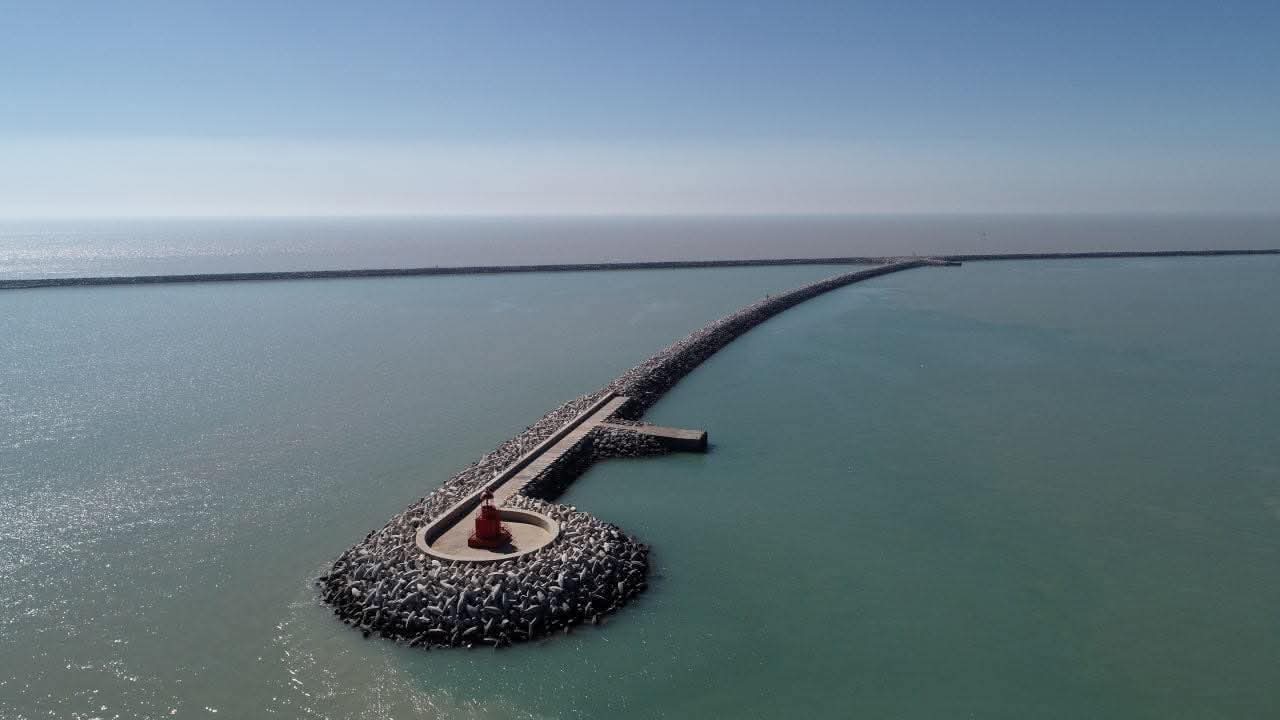
In mid-August this year, security forces in the Faw district arrested 23 Pakistani nationals after they allegedly arrived aboard an unidentified boat and disembarked near the Grand Faw Port, south of the city of Basra.
The incident is part of a bigger problem in the southern part of Iraq: There is still no clear picture of how many foreign workers are in Basra, how they got there and how effectively authorities are monitoring them.
Foreign nationals in Iraq include legally recruited workers, foreigners working in violation of their residency or employment conditions, irregular migrants and refugees and asylum seekers. The latter category is fairly well documented with the United Nations counting more than 343,000 refugees and asylum seekers in Iraq at the end of July 2026. Around 88 % of them are Syrians.
But move into the other categories and the numbers get hazy.
Ali Salman al-Oqabi, an expert on maritime law and port activities in Basra, says it’s impossible to tell how many foreigners are working in southern Iraq because government agencies don’t have clear oversight.
Foreign workers tend to be employed in the oil sector, on contracting, construction, in services and trade, al-Oqabi suggests. Many are brought into Iraq by the companies they work for or by recruitment agencies, but nobody knows the actual numbers.
“The problem is not legal foreign labour brought in to fill shortages in specific specializations,” al-Oqabi notes. “The problem is irregular labour, or those who enter legally and then work outside the regulations.”
Illicit maritime entry of workers, such as the Pakistanis in mid-August, remains relatively limited because Iraq’s sea access is heavily monitored. Instead he believes a significant number of the problematic cases involve workers who initially enter Iraq legally, including by air, but later violate the terms of their visas, residency permits or employment contracts so they’re actually doing different work from that specified.
The regulations are clear and say that if there’s an Iraqi qualified to do a job then they should be considered before a foreigner is recruited. Similar rules are in place in many countries around the world. Foreign workers are not meant to make up more than half of any Iraqi project’s workforce and foreigners are prohibited from working without the applicable permits.
However, enforcement is another matter, al-Oqabi pointed out.
Some workers are known to enter Iraq during the day from neighbouring countries, work for the day, then return home at night. Because of the differences in currencies and economic conditions, they may even accept lower wages in Iraq, he points out.
There is another issue and this involves the skills that some foreigners bring to Iraq.
Ahmed Jamal, director of Basra’s Department of Labor and Vocational Training, says that local training facilities are responsive to market needs and that courses now cover everything from solar energy to fibre-optic cabling, computer maintenance, vehicle mechanics, refrigeration, electrical installation, welding and construction. But there’s still a gap when it comes to one of Basra’s most important sectors, the oil and gas industry.
Iraqi training centres have difficulties providing internationally approved certification and the advanced technical training demanded by foreign oil companies, which includes such things as specialized welding and occupational safety qualifications, Jamal concedes.
So it is also possible that foreigners are being brought to Basra to work because of this. The chances of Iraqi graduates being employed directly by large multinationals is slim, Jamal adds.
The lack of clarity on the status of foreign workers in Basra is leading to resentment and anxiety among locals too.
At 25, Basra local Raghadan thought his university degree would mark the beginning of his working life and that his years of study would give him an advantage in the labour market. However he has yet to find a job and his optimism is turning to frustration. How is he not getting a job when foreigners are? he asks and says he is contemplating migrating to find work.
Raghadan’s uncertainty mirrors official statistics on foreign workers in Basra, and the uncertainty of young Iraqis entering a market whose true size, workforce composition and enforcement remains unknown.
Your opinion on this topic is important to us, you can comment directly on our social media pages and you can contact us via email or WhatsApp.
Related articles