By Nagham Makki in Basra //
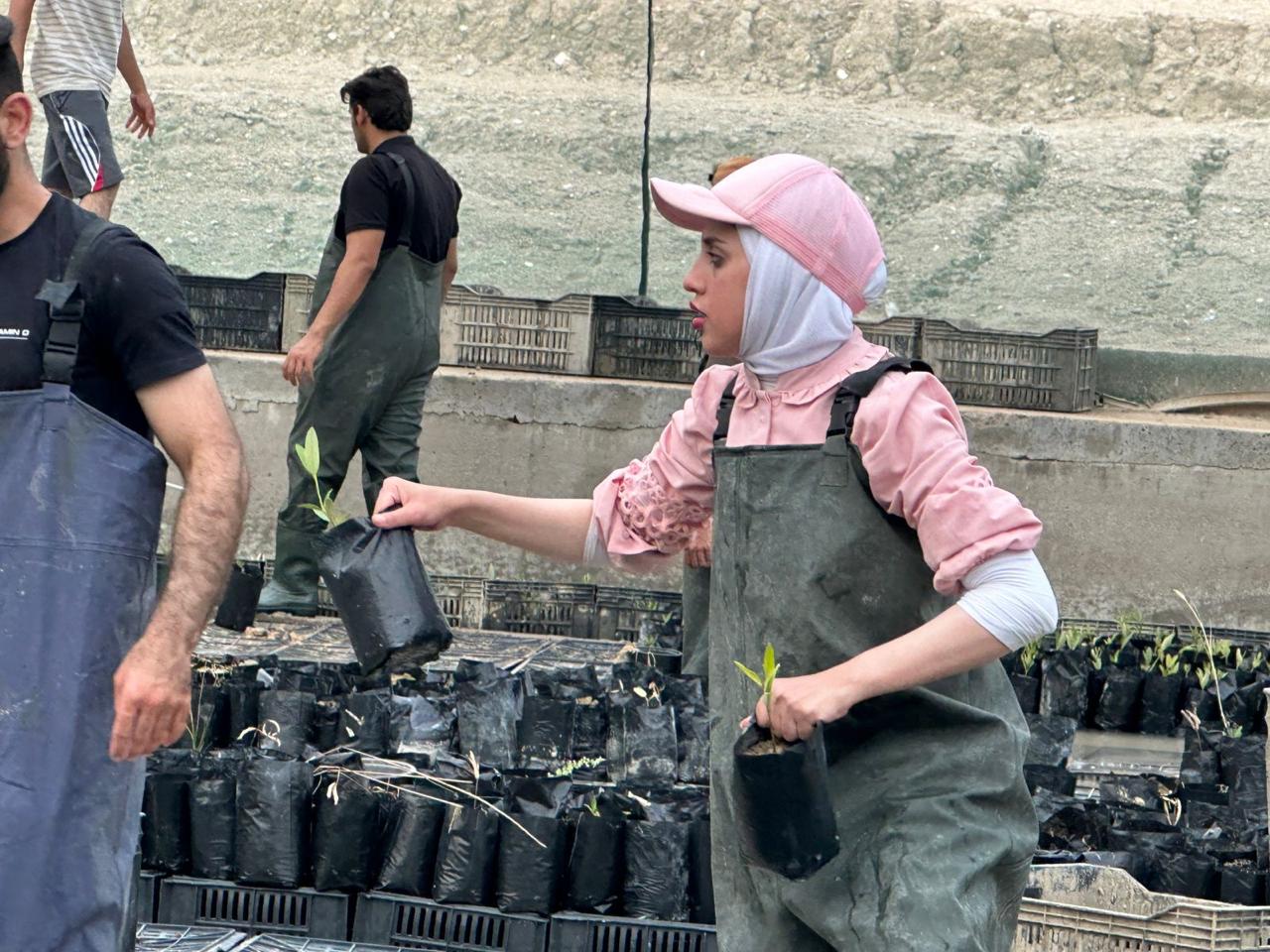
Near a narrow creek in Khor Al Zubair in southern Iraq, 28-year-old Dunia Safaa Abdul Hussein picks her way across thick mud, with a mangrove seedling cradle in her hands. She moves cautiously between neat rows of young plants. Each one is a small promise of a new life, she says.
“Planting mangroves in Khor Al Zubair has been one of the most beautiful experiences of my life,” Hussein enthuses. “It taught me how to work with the land, connect with communities and I’ve also learned about myself.”
In 2023, Hussein joined a volunteer campaign to restore local mangroves. The project to restore mangrove areas by planting hundreds of thousands of new trees, was launched by the local government in Basra in cooperation with the World Food Programme.
Iraq is among the countries in the world most exposed to climate change, with water levels falling and temperatures rising, and mangrove planting is part of wider efforts to tackle desertification and restore the ecological balance in southern Iraq. This is particularly important in Basra where salinity and oil-related industries have intense environmental stress.
It all sounded positive to Hussein but in fact, there was some social pressure.
“You’re a graduate, why are you going to work in the mud? Wait for a government job!” she recalls being told.
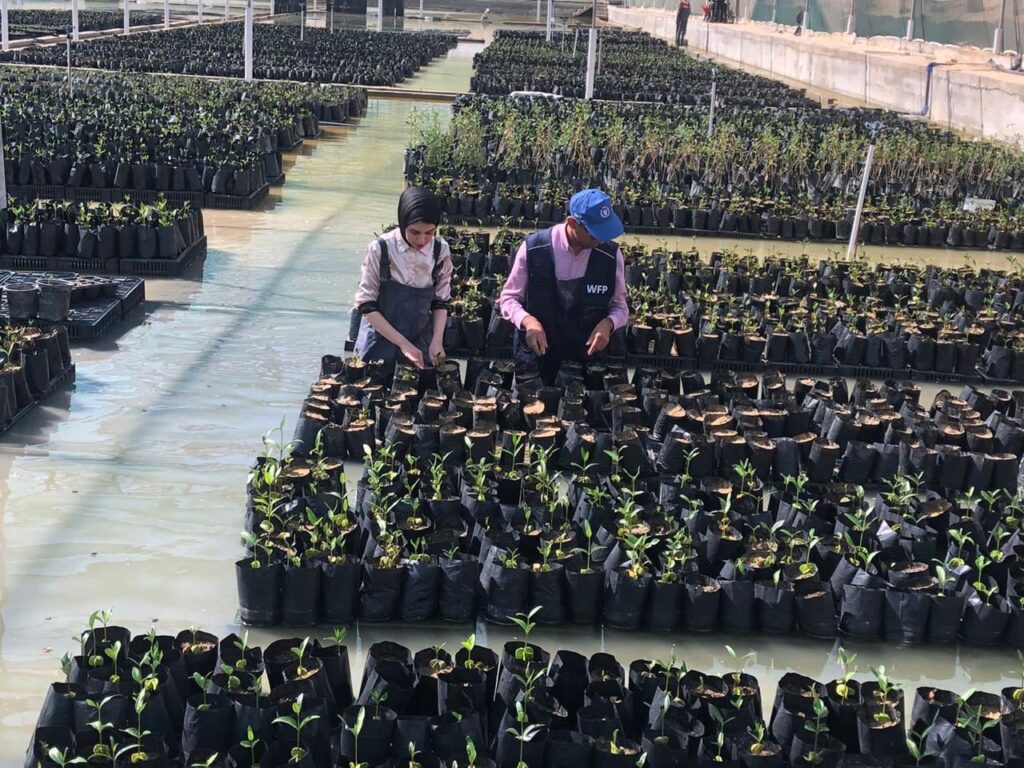
But Hussain disagreed. “Jobs don’t come on a silver platter, you build them through hard work, giving and being present in the field. I’m not waiting for a job, I’m creating one,” was her answer, she says.
Along with between 300 and 400 volunteers, Hussein worked on the groves and remembers the days as exhausting but joyful.
“We used to sink into the mud, get tired, then sing and laugh,” she recounts.
Mangroves are among the few trees that can thrive in salty, tidal wetlands. Their tangled roots stabilize shorelines, reduce erosion and provide an important ecosystem for fish and seabirds.
As climate change takes hold, countries across the Gulf region have turned to mangrove restoration as a nature-based way to protect their coasts and lock away carbon. It’s an approach now being embraced in Iraq.
Mangroves represent hope, says Hussein, who now works as an agricultural engineer and environmental officer at the University of Basra, not only because they withstand salinity and extreme heat, but because they absorb carbon, produce oxygen and help bring life back to the coast.
“These trees don’t just protect the environment, they also help revive daily life. Within 10 years, I expect mangroves to become a destination for tourism and local economic activity,” she suggests.
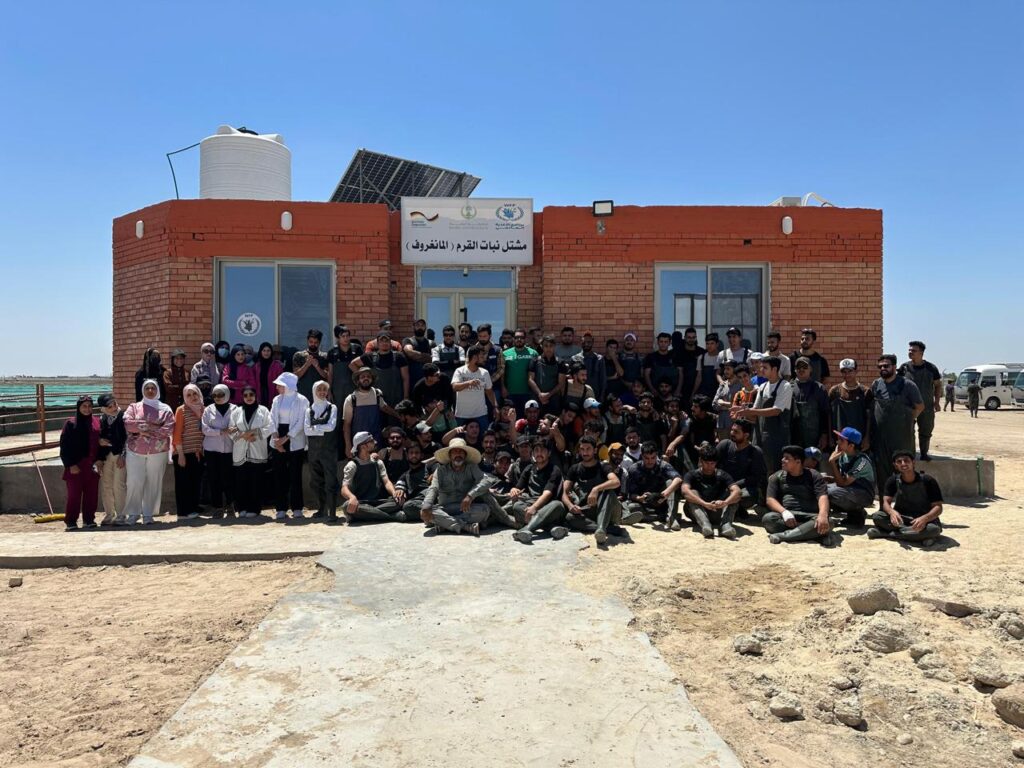
Alaa al-Badran, head of the Union of Agricultural Engineers in Basra, says mangrove planting began here in 2012 but stopped because of various conflicts. Then it resumed again in 2018 and 2019.
Mangroves don’t need to be irrigated with fresh water — something often in short supply in southern Iraq — and here, they are watered using treated seawater, al-Badran explains. In some areas, tidal movements water the trees organically, a model for sustainable greening in harsh environments, he suggests.
The first phase of mangrove restoration was completed in 2024 and 300,000 trees were planted. A second phase is now under way. Previously local and port authorities also planted more than 7,000 trees along Iraq’s southernmost coast, near Ras Al-Bisha, after the area was cleared of mines.
“In the new project, we aim to plant 500,000 trees, which will bring the total to 800,000,” al-Badran notes.
The work has both an environmental and a social dimension, says Ayman Abdul Latif al-Rubaye, head of the mangrove planting unit at the University of Basra’s marine science centre.
“Mangroves protect coastlines, create habitats for fish and birds, and help combat climate change,” he explains. “When we plant them, we plant new life. They serve as nursery habitats for young fish, which is crucial for supporting fish populations, shrimp and turtles.”
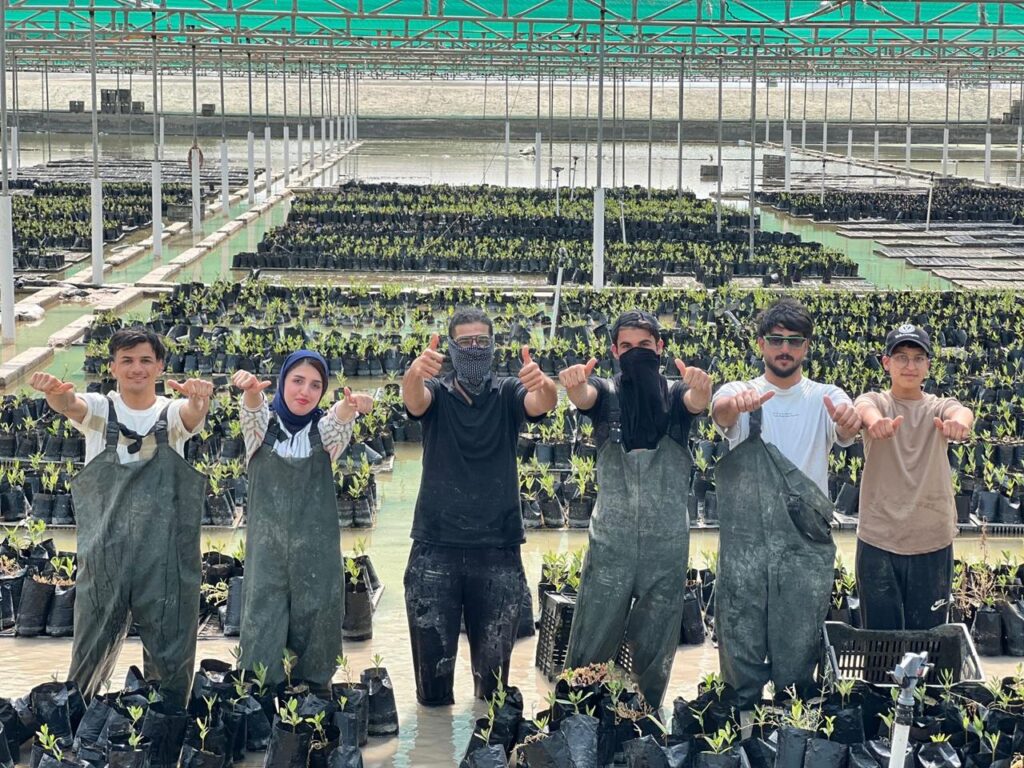
As such, mangrove planting helps “support local communities by creating jobs, especially for fishermen, strengthening fisheries and food security in Basra. And by absorbing carbon and other gases, they can help reduce heat stress too,” Al-Rubaye continued.
For Hussein, the effort and experience have been well worth it and she’s now working on another reforestation project in the province. She plans to keep planting wherever Basra gives her room to grow, she says.
This article is part of a series funded by the “Qarib” program, an initiative of the French Development Agency (AFD) and the French Agency of Media Development (CFI).
Your opinion on this topic is important to us, you can comment directly on our social media pages and you can contact us via email or WhatsApp.
Related articles