By Draf Alla in Erbil //
At night in Erbil, the capital of the semi-autonomous region of Iraqi Kurdistan, the streets are filled with the smell of grilled food and the buzz of lively conversation around café tables.
Syrian restaurants have become a constant in this scene. Restaurant names from Syria, like Damascene Paradise, are no longer markers of a migrant community, they are establishments happily frequented by locals and migrants alike.
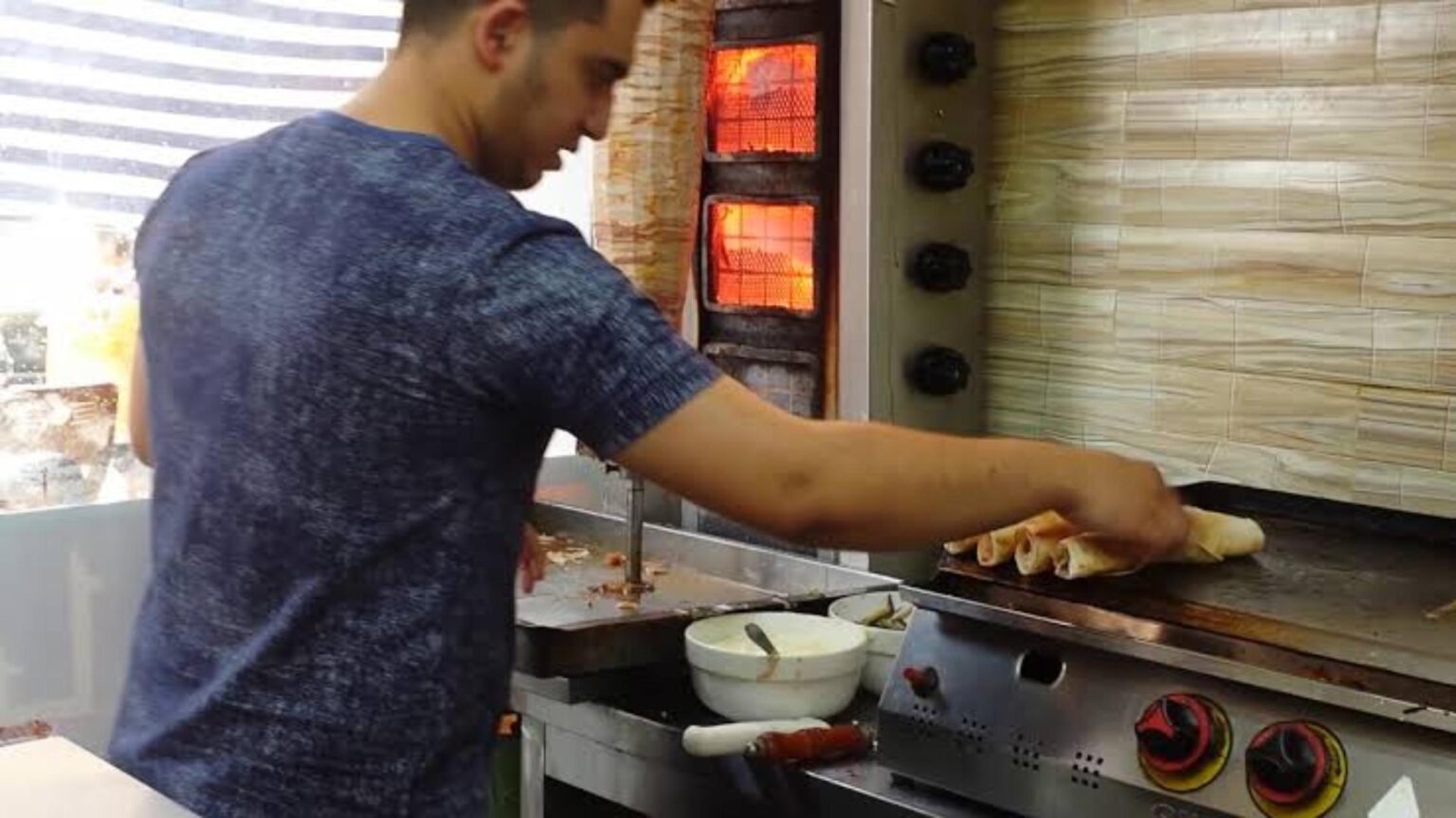
Since the Syrian war pushed many business owners to relocate to Erbil between 2011 and 2024, the city has become a major hub for Syrian cuisine outside its homeland, especially in areas like 100 Meter Road, 40 Meter Road and Ankawa, where dozens of Syrian restaurants and cafes sit side by side, offering everything from shawarma, salads and grills to dumplings and traditional desserts.
Syrian restaurants are among the most popular dining outlets in Erbil these days.
One restaurant worker says that the Syrian cuisine offers a lot more variety and often better quality than Iraqi and Kurdish food, and that is why it is so popular.
“Syrian cuisine is in demand,” the Syrian, who wanted to remain anonymous due to marketplace sensitivities, states. “Which is why there’s strong interest in Syrian restaurants and dishes like tabbouleh, fattoush salad and kibbeh.”
While operating hours vary, most of the Syrian restaurants also become major evening destinations because customers can gather for dinner, then enjoy tea and coffee and smoke shisha.
Hundreds of Syrians and Iraqis work in these establishments.
However behind the visible prosperity and success of Syrian eateries in Erbil, many Syrians live in constant anxiety.
An estimated 263,000 Syrians live in Iraqi Kurdistan, according to data from the regional government and the United Nations. About 92,000 of them live in camps while the rest reside in Iraqi Kurdish cities. Syrians have significantly integrated into the labor market in Erbil and across the region, particularly in tourism and the hospitality sector.
They’re some of the easiest places to find employment because there are such a lot of them, a Syrian worker who has lived in Erbil for five years, said.
But they face many problems, including residency challenges, a lack of stable employment and detrimental changes in the political relationship between Iraq and Syria.
Additionally, a Syrian tourism sector employee, says, Syrians are sometimes paid wages that differ from their Iraqi colleagues. The lack of fixed-term contracts also means that if there’s an economic downturn, they’re more likely to lose their jobs, he added.
Another Syrian worker, employed at an Erbil restaurant, told Al Menasa that the stricter residency requirements introduced over the past two years have also had an impact on Syrians in Erbil. Residency and work permits have become more complex, which makes things difficult for some of his countrypeople.
A lot of the Syrian workers in Erbil have avoided traveling home, he said, even to visit family, for fear of losing their residency status and having difficulty returning to Iraqi Kurdistan. Some are even considering migrating to other countries where they might find more stable employment, he added.
Additionally political and security relationships between Syria and Iraq can also have an impact on Syrians’ job security.
When the dictatorial Assad regime was toppled in late 2024, thousands of Syrians left Iraq and returned home. This meant both fewer customers and fewer Syrian workers in Erbil.
Over the past two years, the restaurant sector in Iraqi Kurdistan has seen a decline in activity of about 35%, according to statements by local associations representing it. How much of that relates to Syrian establishments is clear. However anecdotally, it seems while smaller Syrian restaurants may have been affected, larger establishments have stayed open and prospered, thanks to the fact that their customers included locals.
“With the escalation of military clashes between the Kurdish-led Syrian Democratic Forces and the Syrian army [in Syria] last January, hundreds of residents in the Kurdistan region also stopped visiting our restaurants, leading to financial losses,” a female restaurant worker from Syria told Al Menasa.
The woman said that this caused some Syrian restaurants to lay off workers because of financial pressure and problems renewing residency permits for Syrians.
Your opinion on this topic is important to us, you can comment directly on our social media pages and you can contact us via email or WhatsApp.
Related articles