By Ibrahim Saleh in Baghdad //
From groceries to airline tickets, Iraq’s exchange rate is putting ordinary household budgets under pressure as businesses adjust to higher costs.
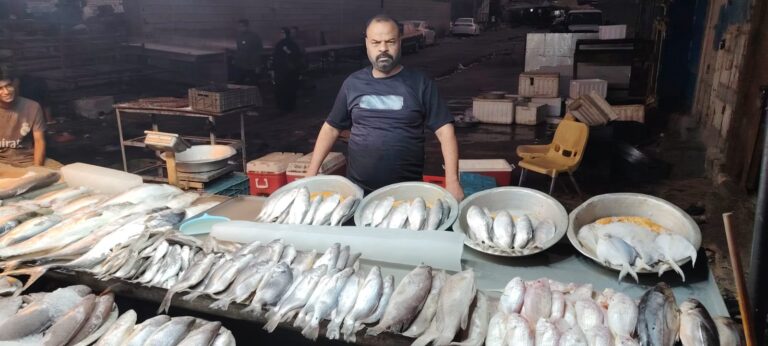
Every weekend, Issam al-Azzawi opens a shopping app to buy groceries and other essentials for his family in Baghdad. Recently, the 50-year-old has noticed that the same budget buys less one week to the next.
Prices for many products, particularly imported goods, have risen even as some items have become cheaper, he notes.
“I set aside $67 for shopping each week — for meat, fish, chicken as well as vegetables, fruit and other goods,” al-Azzawi says. “But the same amount of money buys less than it did before. What I can get today is much less than what I could get a month ago.”
As his family is dependent on a fixed monthly salary, that means making choices. Al-Azzawi says he is considering buying meat and chicken less frequently, maybe replacing them with fish or vegetables which have only seen smaller price increases.
“You cannot simply stop buying everything that has become more expensive just because some other products remain affordable,” he pointed out. “Some things are essential.”
For example, a kilogram of lamb rose from $11 to $13 while a kilogram of bananas increased from $1.10 to $1.70.
These kinds of price increases followed a change in Iraq’s official exchange rate on Oct. 7. This meant that instead of $1 being worth IQD1,320, it was now worth IQD1,520. On the unofficial exchange market — which most ordinary Iraqis use — the dollar climbed to IQD1,680.
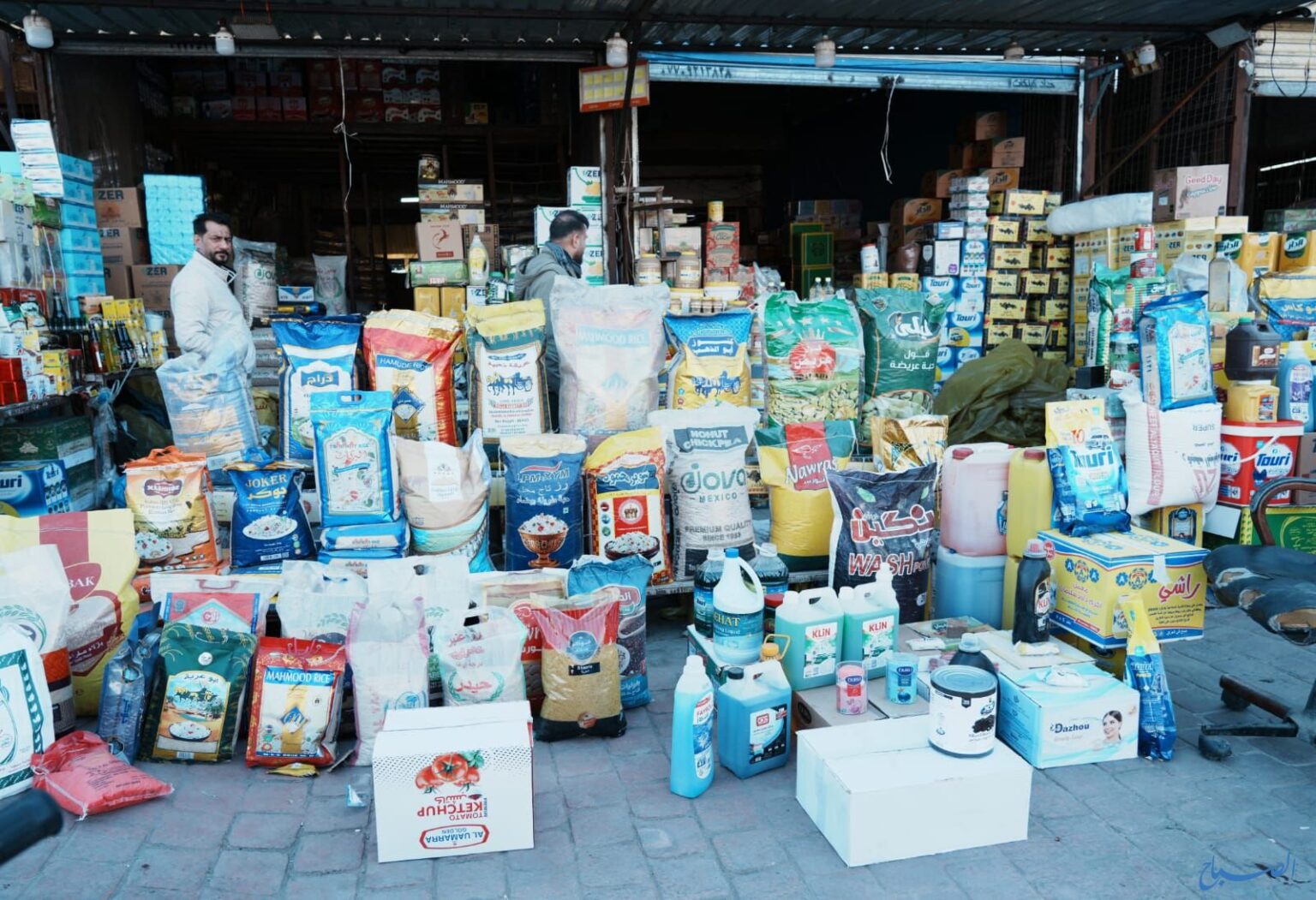
In Iraq, imported goods play a major role in the consumer market and businesses often use dollars to purchase raw materials. This is how the exchange rate can quickly become a concern for ordinary households.
The impact of the exchange rate doesn’t just apply to groceries.
Ahmed Hassan owns a grocery store and he says some products made by the Baghdad Soft Drinks Company, which has the franchise for Pepsi cola in Iraq, have become more expensive. Some small cans of drinks have doubled in price.
Manufacturers need foreign currency to import ingredients like sugar, flavourings and packaging. And then even relatively modest increases in wholesale prices can become more significant once transportation, refrigeration and other expenses are added, Hassan explained.
Officials from the government and from the Iraqi Central Bank said there would be measures taken to prevent the exchange rate adjustment from having an inflationary impact. They also wanted to try to narrow the difference sin rates between the official and unofficial exchange rates.
However, that does not appear to have helped and consumers say they’ve also seen prices rise in government operated businesses.
Iraqi economist, Manar al-Obaidi, who heads the Iraq Future Foundation for Economic Studies and Consultations, says that the only way to avoid this is to support more domestic production. That would save ordinary Iraqis from the price volatility caused by exchange rate fluctuations.
But rather than looking at individual prices rises, al-Obaidi says it’s important to measure the impact through inflation data and household consumption patterns.
For example, he referenced Iraq’s 2021 currency adjustment — the official dollar rate rose by around 22.7% but food prices increased by only about 5%, according to World Bank data.
However, for families like al-Azzawi’s that doesn’t bring much consolation. Their budget remains the same but what it can put in their kitchen cupboards has not.
Your opinion on this topic is important to us, you can comment directly on our social media pages and you can contact us via email or WhatsApp.
Related articles